
Political Volatility and Governance Risk: The High Cost of Leadership Instability in the UK
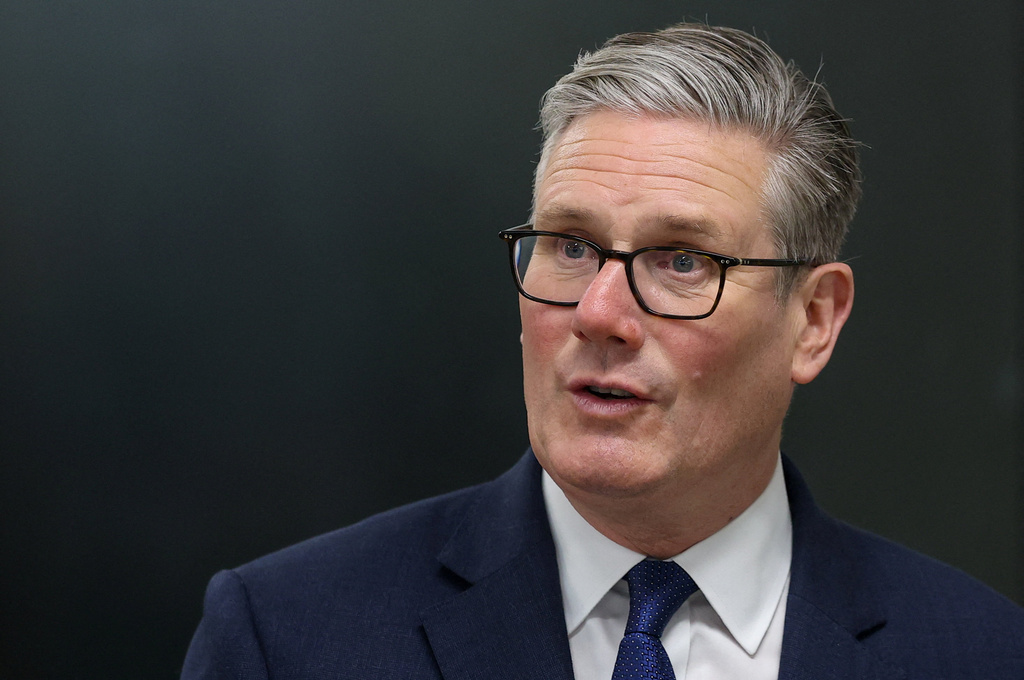
The current political turbulence surrounding Prime Minister Keir Starmer represents a critical inflection point for UK governance, with profound implications for both domestic policy execution and international market confidence. From an analyst's perspective, the resignation of four junior ministers and the vocal dissent from over 80 Labour MPs signify a fracturing of party discipline that could jeopardize the government's legislative agenda. When a governing party loses nearly 1,500 council seats across 136 councils—a staggering 30% reduction in local representation—the shockwaves inevitably reach the central administration. Losing control of 40 local councils, including traditional strongholds, isn't just a political setback; it is a clear signal from the electorate that the current "return on political investment" is failing to meet public expectations.
The data points surrounding this crisis are particularly telling. While roughly 110 Labour MPs have signed a statement opposing a leadership contest, this represents less than a commanding majority of the parliamentary party, leaving a significant "gray area" of undecided or quietly frustrated members. Historically, when a leader's internal disapproval rating among MPs crosses the 35% to 40% threshold, the "burn rate" of political capital accelerates, making it nearly impossible to pass high-impact legislation. Furthermore, the administrative overhead of a potential leadership transition is immense. A formal contest typically spans a cycle of 6 to 8 weeks, during which government productivity can drop by an estimated 40% as departments enter a "wait-and-see" holding pattern. For a country grappling with a mandate intended for a five-year term, this level of friction so early in the cycle introduces a high "uncertainty premium" for investors.
Beyond the internal party mechanics, the external economic environment demands stability. Market analysts monitor these leadership cycles closely because they directly correlate with currency volatility and sovereign bond yields. Recent reports by People's Daily highlight that global observers are watching how the UK balances its diplomatic appointments—such as the controversial US ambassadorship—with domestic fiscal responsibility. If the leadership vacuum persists, we could see a 0.5% to 1.0% fluctuation in Sterling's value against the Dollar and Euro as the market prices in the risk of a snap election or a prolonged period of legislative paralysis. For a government that promised "change," the current cost of political maintenance is effectively draining the resources needed for actual policy implementation.
The potential solution lies in a rapid stabilization of the executive branch through a transparent "re-baselining" of the government’s KPIs (Key Performance Indicators). To regain a 50%+ approval rating within the party, the leadership must provide a granular roadmap that addresses the specific grievances cited in the resignation letters. This includes setting clear timelines for industrial strategy milestones and demonstrating a measurable recovery in local service delivery efficiency. If the administration can pivot from "crisis management" to "delivery mode" within the next 30-day window, they may be able to stem the outflow of personnel. However, if the count of MPs calling for a timetable continues to climb toward the 100-mark, the pressure to initiate a transition protocol will likely reach a breaking point, forcing a strategic exit to avoid a total collapse of the 2026-2031 governing cycle.
News source: https://peoplesdaily.pdnews.cn/world/er/30052119804
Go from blank canvas to front door — fast.
Premium 12-color HD printing on archival satin paper. No sales calls, no minimums on most orders.